Retirement by Age: How Much Do You Need?
Compare illustrative savings targets and calculators for retiring at 50, 55, 60, 62, 65, 67, and 70.
Expert insights on retirement planning, tax strategies, portfolio management, and more.
Compare illustrative savings targets and calculators for retiring at 50, 55, 60, 62, 65, 67, and 70.

Retirement can change routines and opportunities for connection. Use this evidence-aware guide and printable worksheet to plan for the social side of life after work.
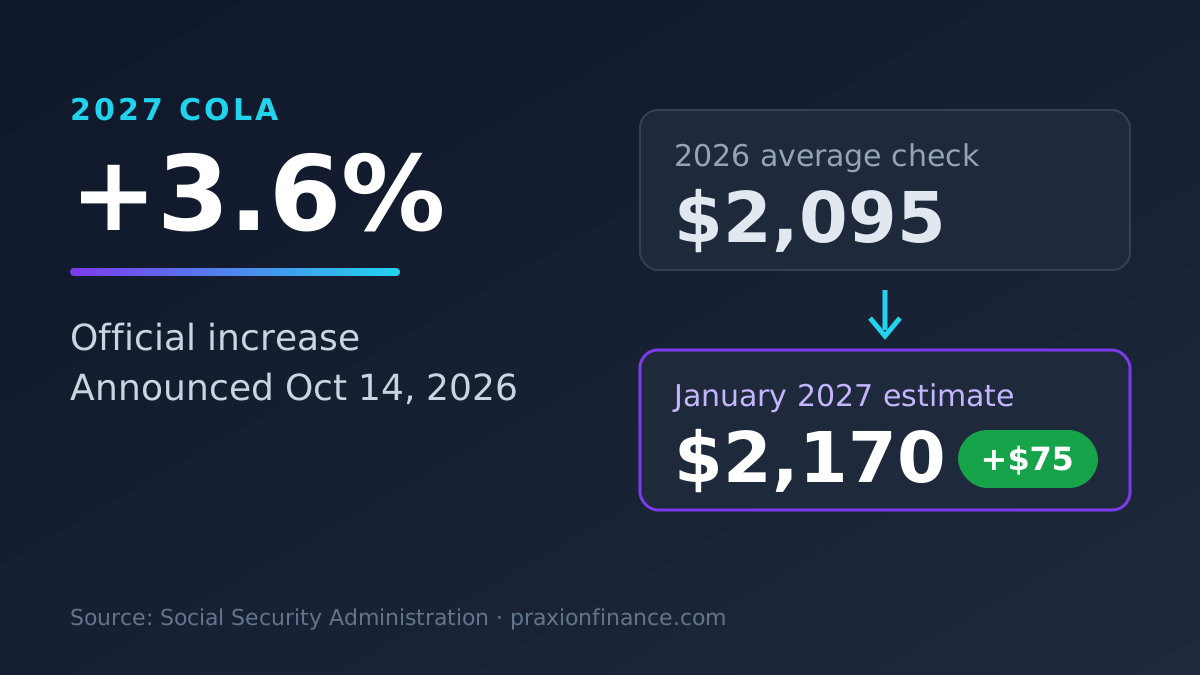
The official 2027 Social Security COLA is 3.6% — about $75 a month for the average retired worker. Here’s how taxes and IRMAA can affect the raise.
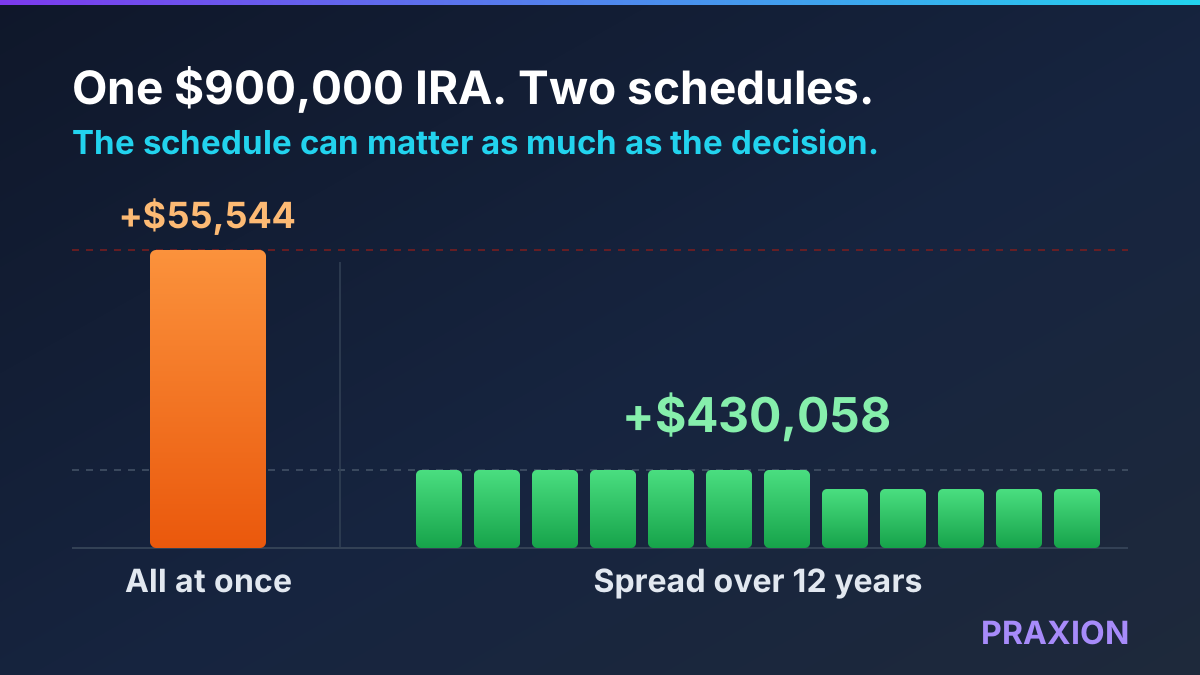
Compare converting a $900K IRA in one year against spreading it over twelve — modeled year by year with 2026 brackets, IRMAA tiers, and RMDs.
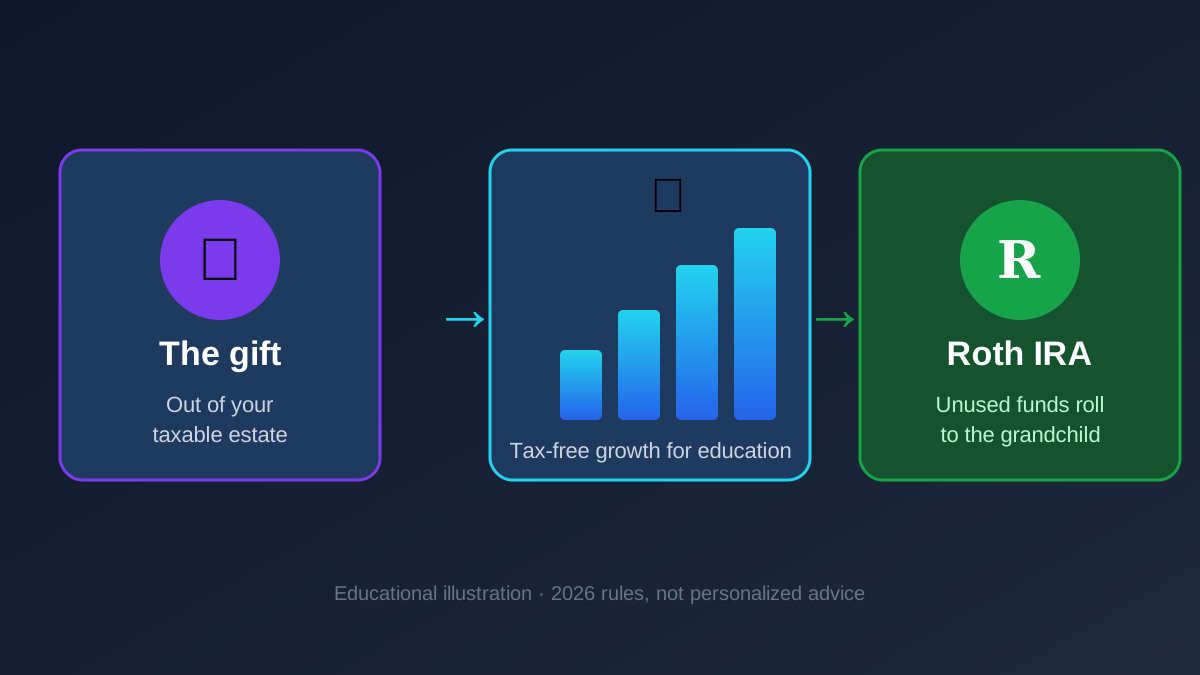
How grandparents can use a 529 as an estate and legacy tool in 2026 — the gift-tax exclusion, five-year superfunding, the SECURE 2.0 529-to-Roth rollover, and the FAFSA change that removed the grandparent penalty.
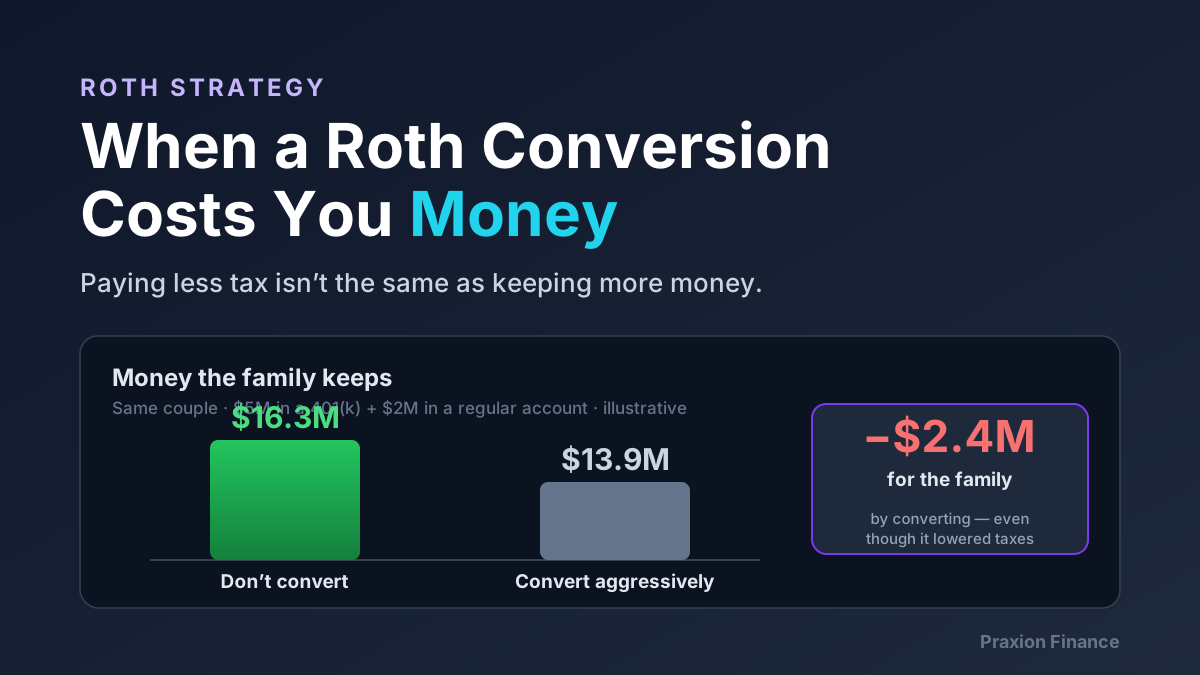
A Roth conversion can lower your lifetime taxes and still leave your family with less. A plain-English guide to when converting helps — and when it quietly costs you.
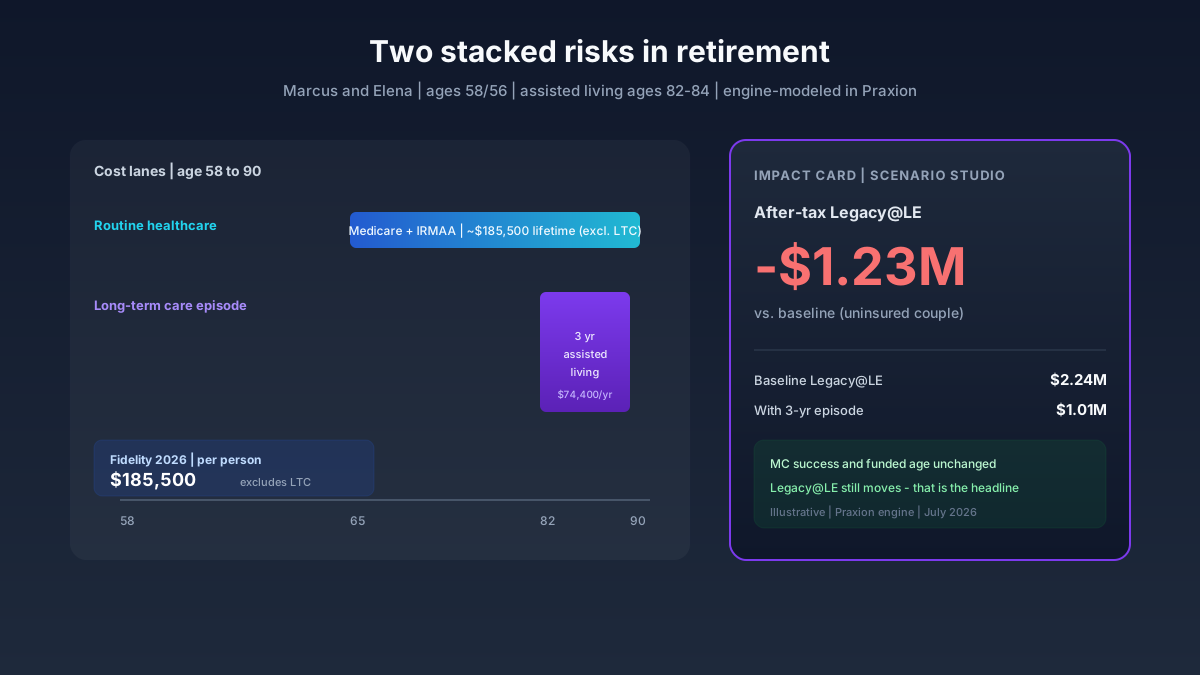
Retirement care costs: 2026 Fidelity healthcare and CareScout LTC benchmarks, assisted living medians, funding options, and illustrative plan modeling. Educational only.
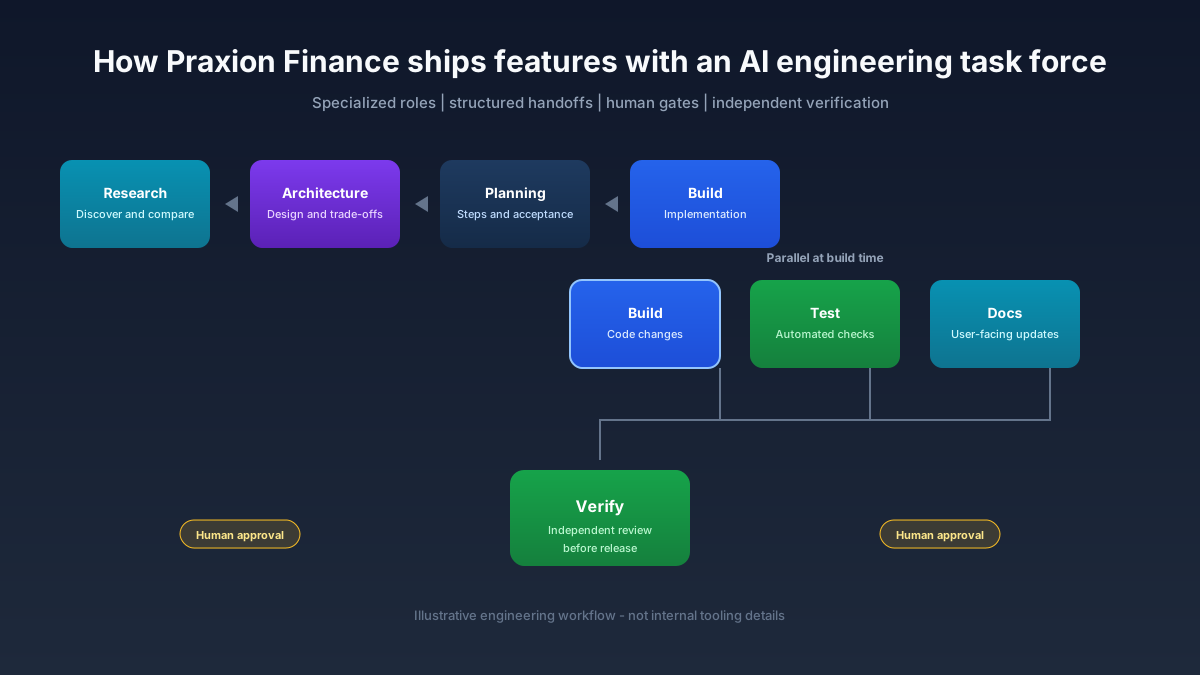
AI agentic engineering and multi-agent fintech development — domain specialists, structured handoffs, parallel build/test/docs, and verification gates at Praxion Finance.
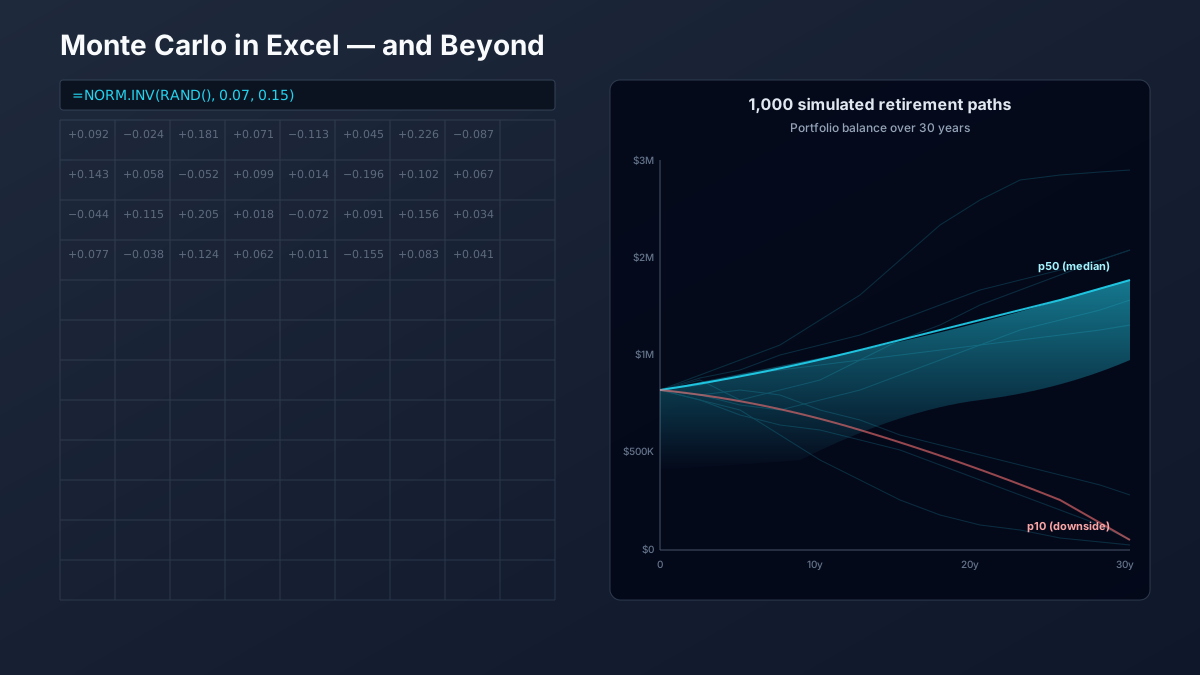
The formulas, the common pitfalls (volatility drag, IID vs sequence autocorrelation, tax cascade), and when a purpose-built tool answers the question better than your spreadsheet.
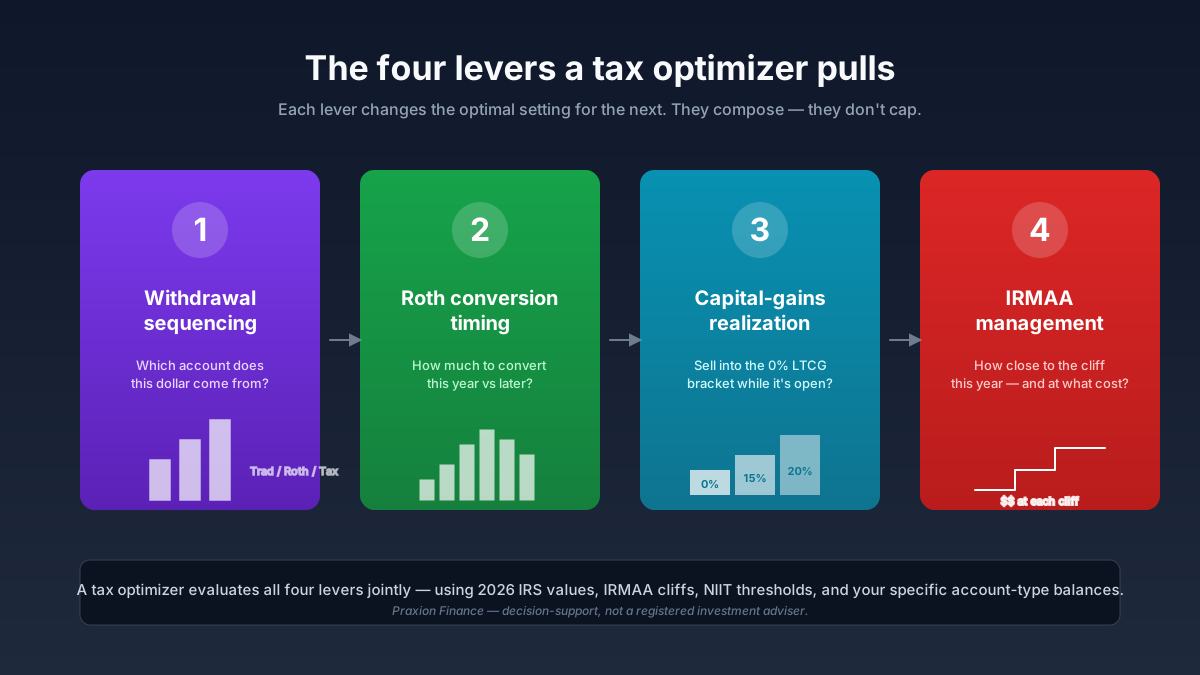
The four levers — withdrawal sequencing, Roth conversion timing, capital-gains realization, IRMAA management. The inputs it needs, the outputs it produces, and where it stops being useful.
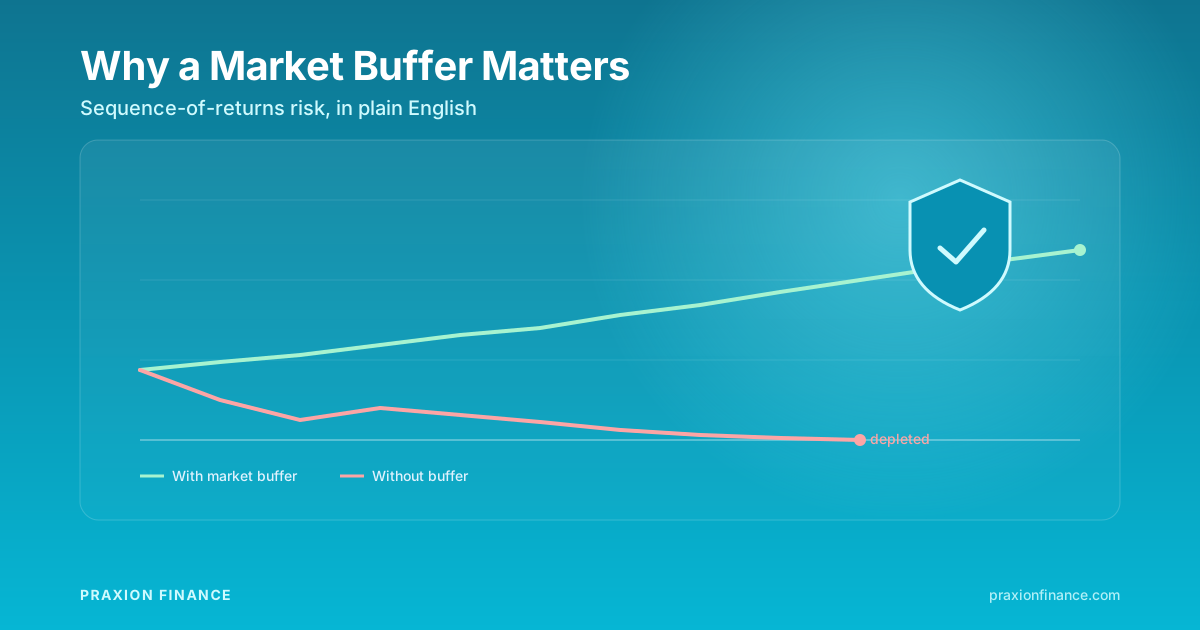
A 24–36 month market buffer is the simplest, strongest protection against sequence-of-returns risk — the biggest killer of retirement plans. A plain-English explainer with charts.
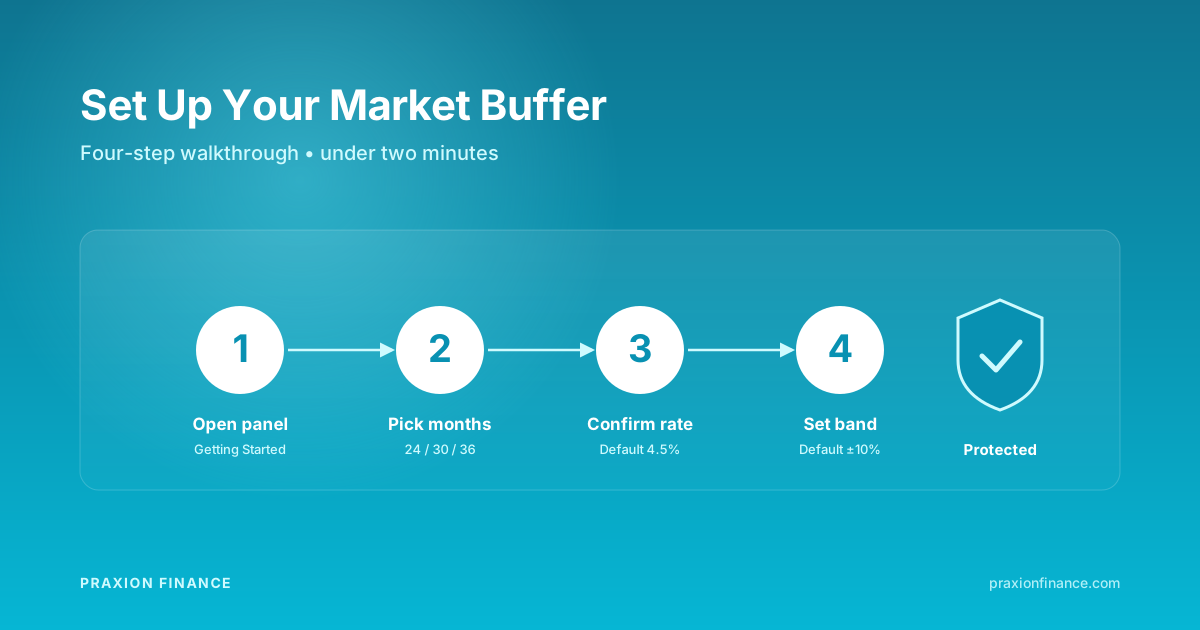
A four-step walkthrough to configure sequence-of-returns protection inside your retirement profile — settings, defaults, and how to read the buffer columns in your projection.
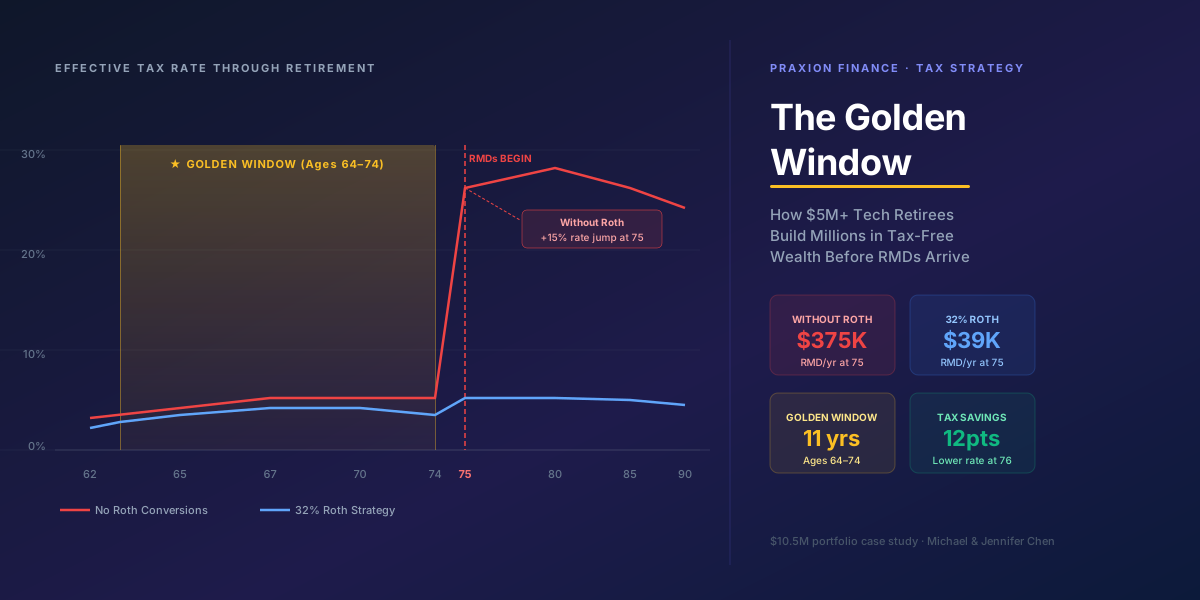
Why high-net-worth households often convert at 32% — not 22% — during the golden window (ages 62–74) before RMDs lock in a permanent tax position. Case studies and year-by-year breakdown.
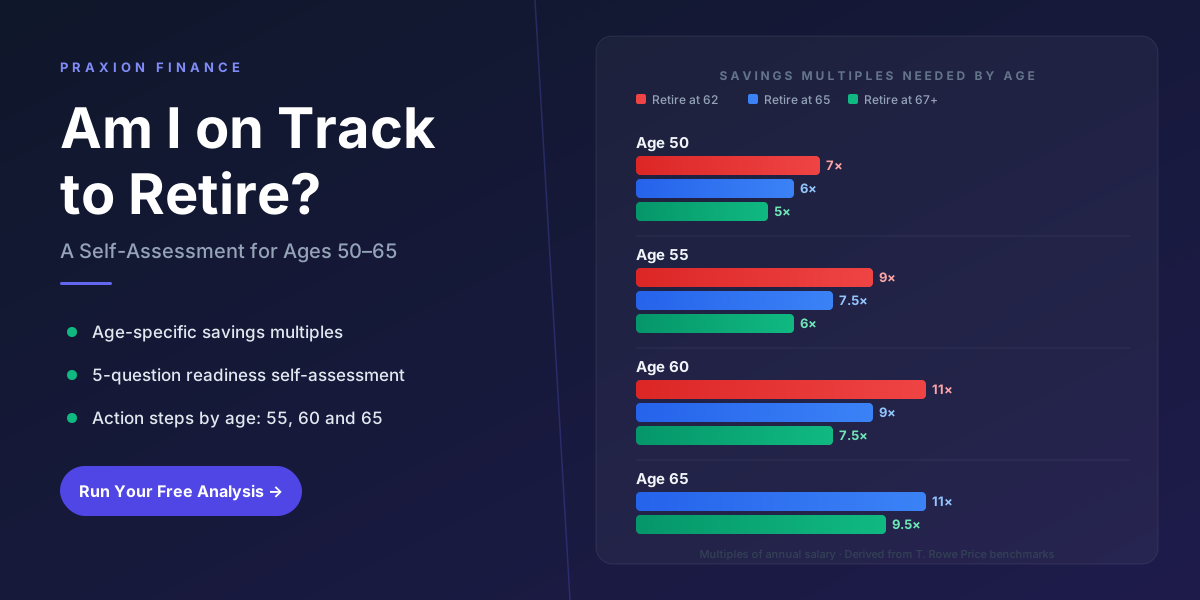
Find out if you're on track to retire using age-specific benchmarks for 50, 55, 60, and 65. Includes savings multiples, income replacement targets, and a 5-question self-assessment.
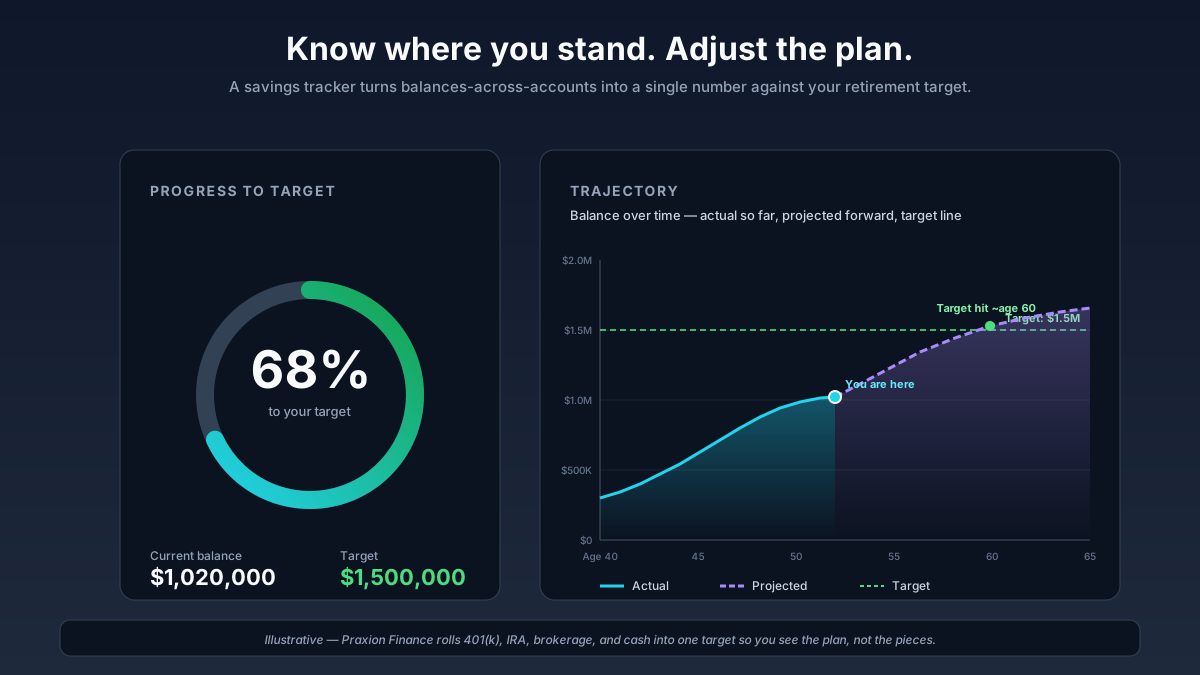
How the Praxion Savings Tracker scores retirement readiness using three industry benchmarks — T. Rowe Price age multiples, Fidelity’s 15% rule, and the 10–12× final-salary target — and how to read your score and act on it.
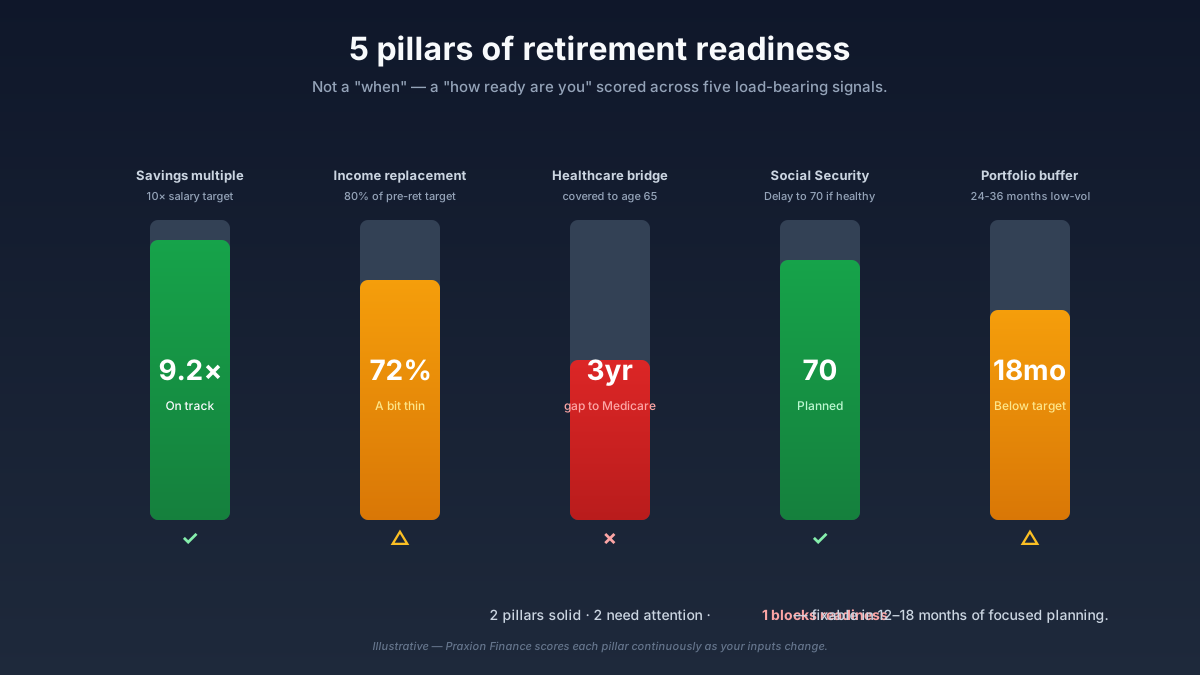
A practical framework for retirement readiness: money, healthcare, partnership, and purpose—with pitfalls, stress tests, and trusted resources (SSA, Medicare, IRS, FINRA).
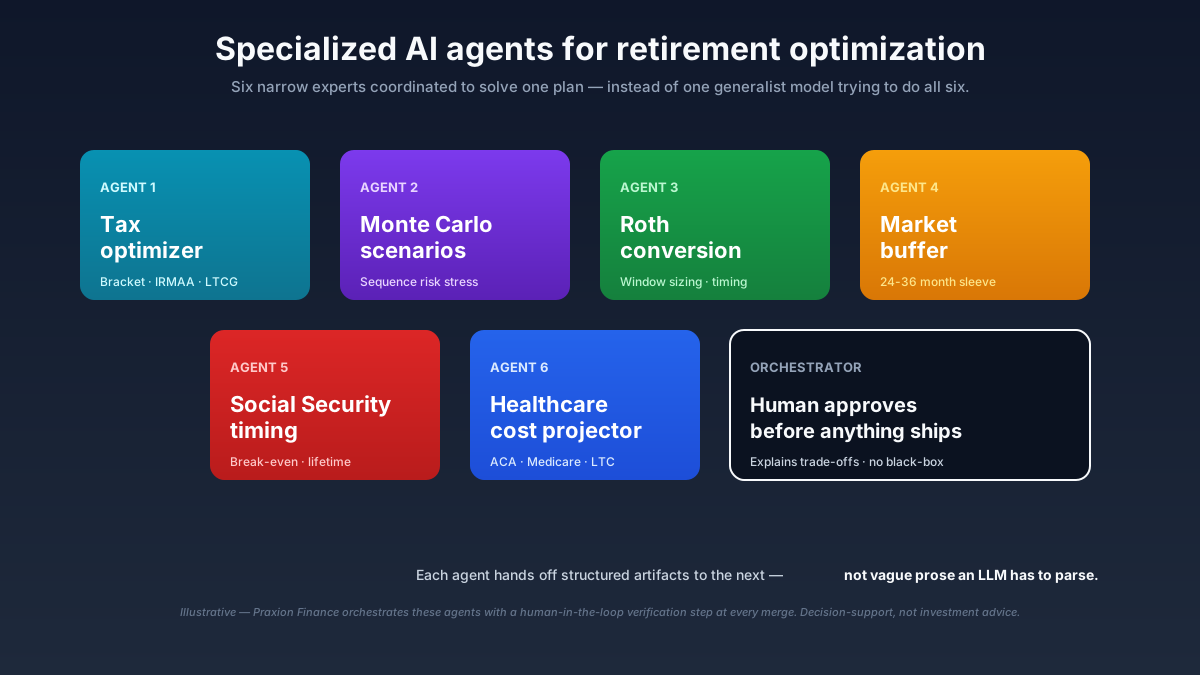
Tax Strategy, Shock Simulation, Withdrawal Sequencing, Data Health, and a Critic Agent — what each one watches inside Praxion's retirement engine.
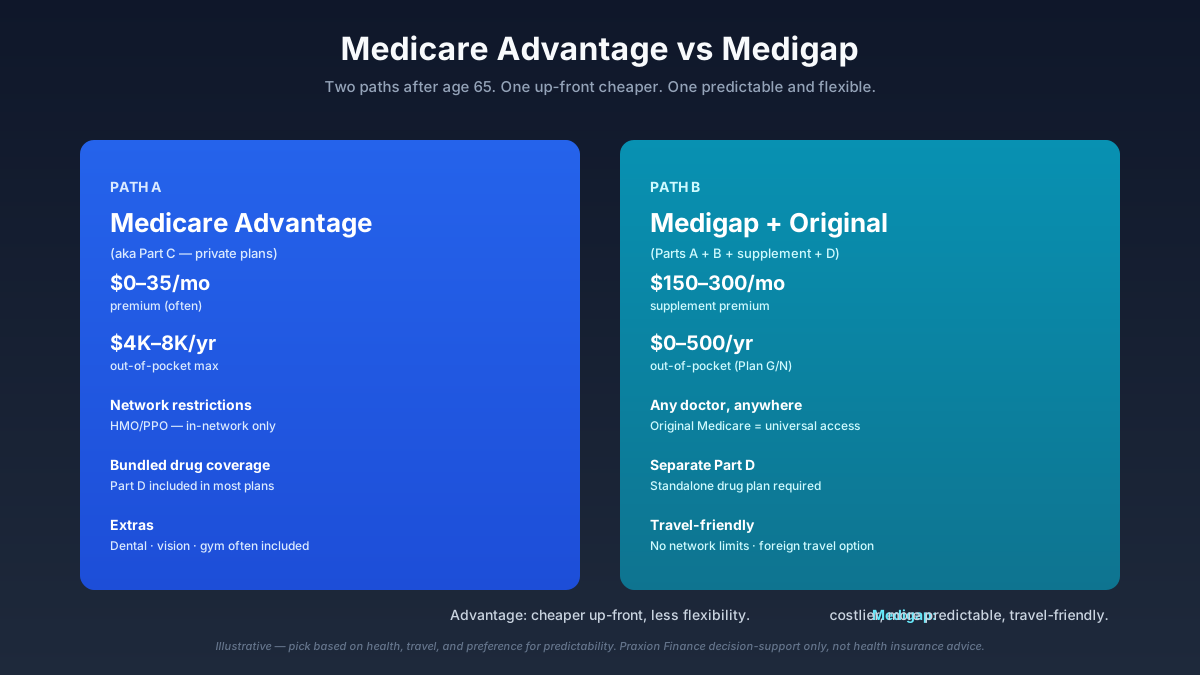
A comprehensive guide comparing Medicare Advantage and Medigap plans with an interactive 2-minute decision tool. Includes real cost examples, enrollment window guidance, and expert-sourced data from KFF and CMS.
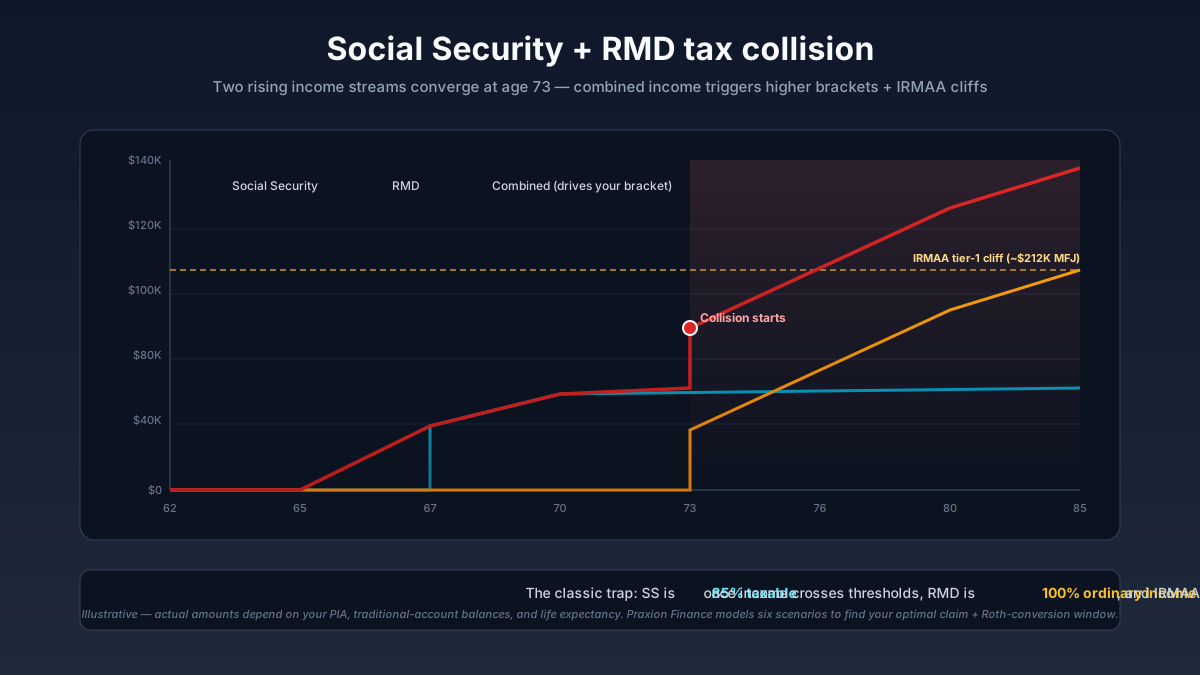
A retirement tax simulator showing how Social Security timing, RMDs, and Roth conversions interact to reshape your lifetime marginal tax rate. Includes interactive charts and the Tax Collision Index.
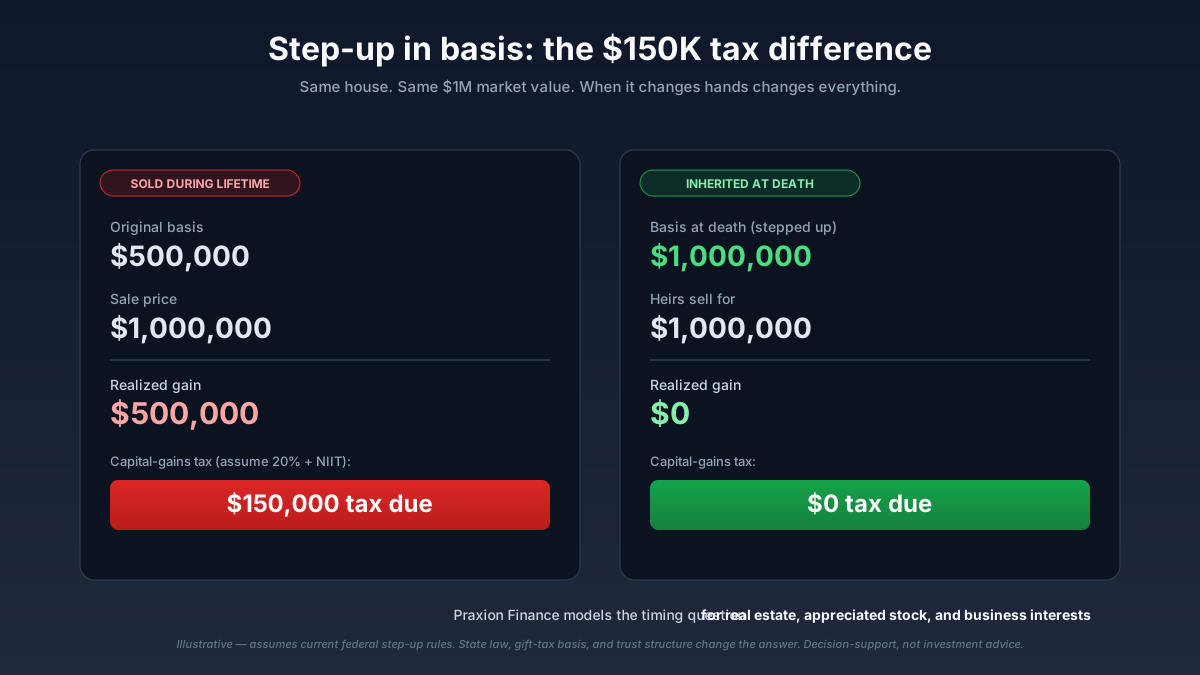
How revocable living trusts, step-up in basis rules, Roth conversions, and asset tax sequencing can reduce lifetime and intergenerational taxes by hundreds of thousands of dollars.
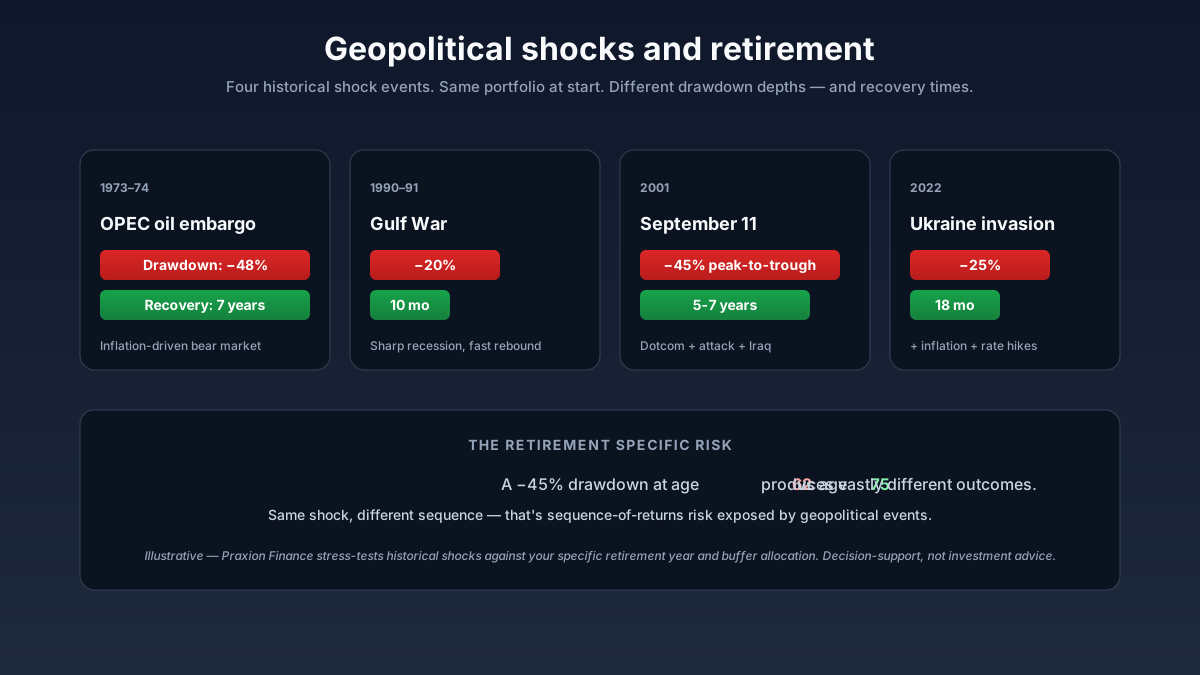
A data-backed analysis of how geopolitical conflict reshapes markets, inflation, tax policy, and retirement timing — with four historical case studies and mitigation strategies.
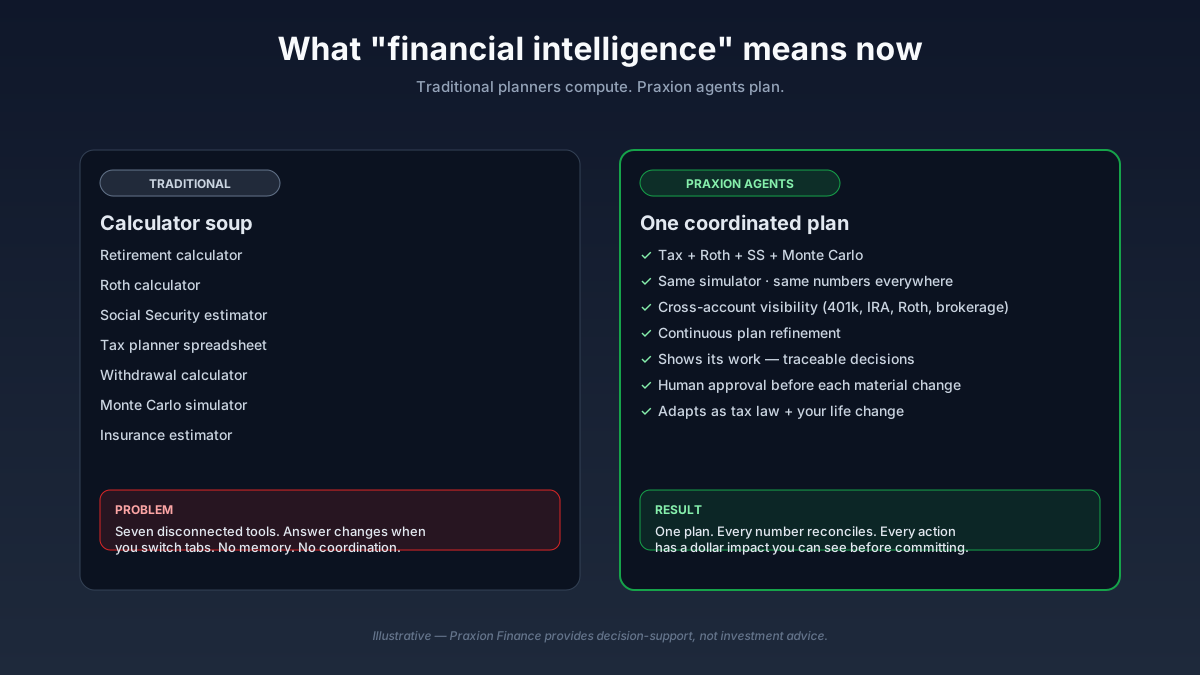
Advanced financial modeling meets conversational AI. Explore retirement projections, tax strategies, Roth conversions, and withdrawal plans by simply asking questions.
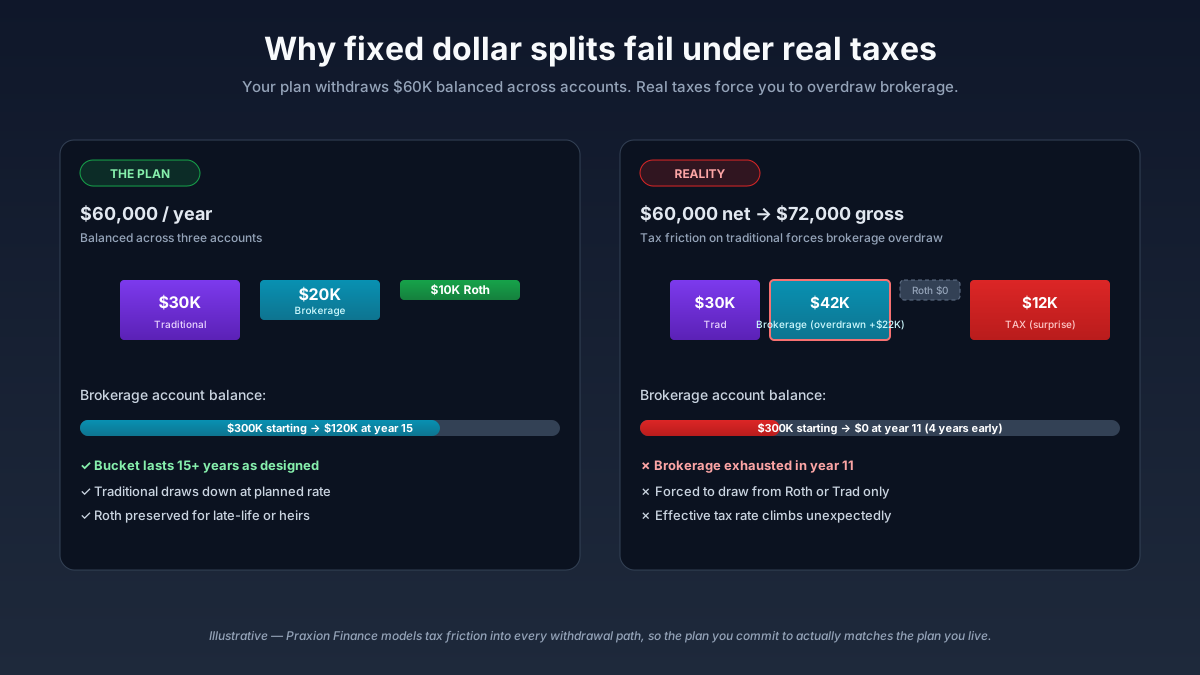
Fixed dollar withdrawal splits break under real taxes. See the math and comparison data showing why tax friction forces plans to overdraw brokerage and diverge from the original design.
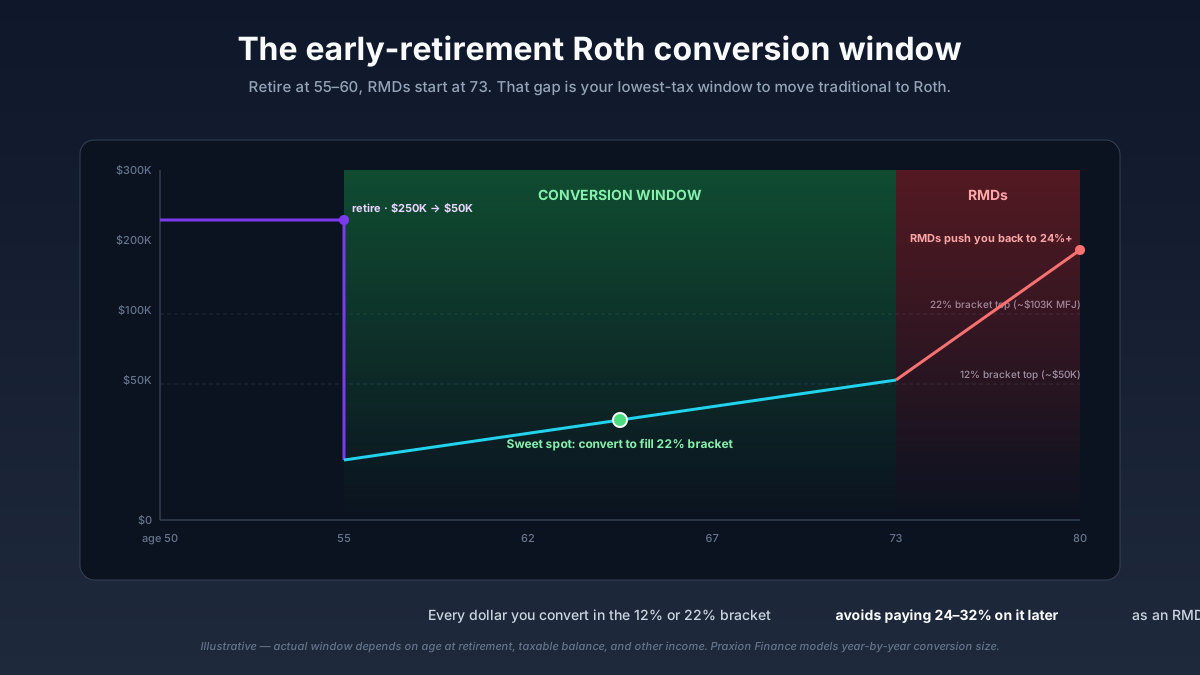
Roth conversion strategy for early retirees: bracket limits, sequence-of-returns risk, and keeping a brokerage volatility buffer for conversion taxes.

Discover the 5 warning signs that your retirement plan may fail—with real-world examples showing why average returns, tax cliffs, and static spending assumptions can derail even well-funded plans.
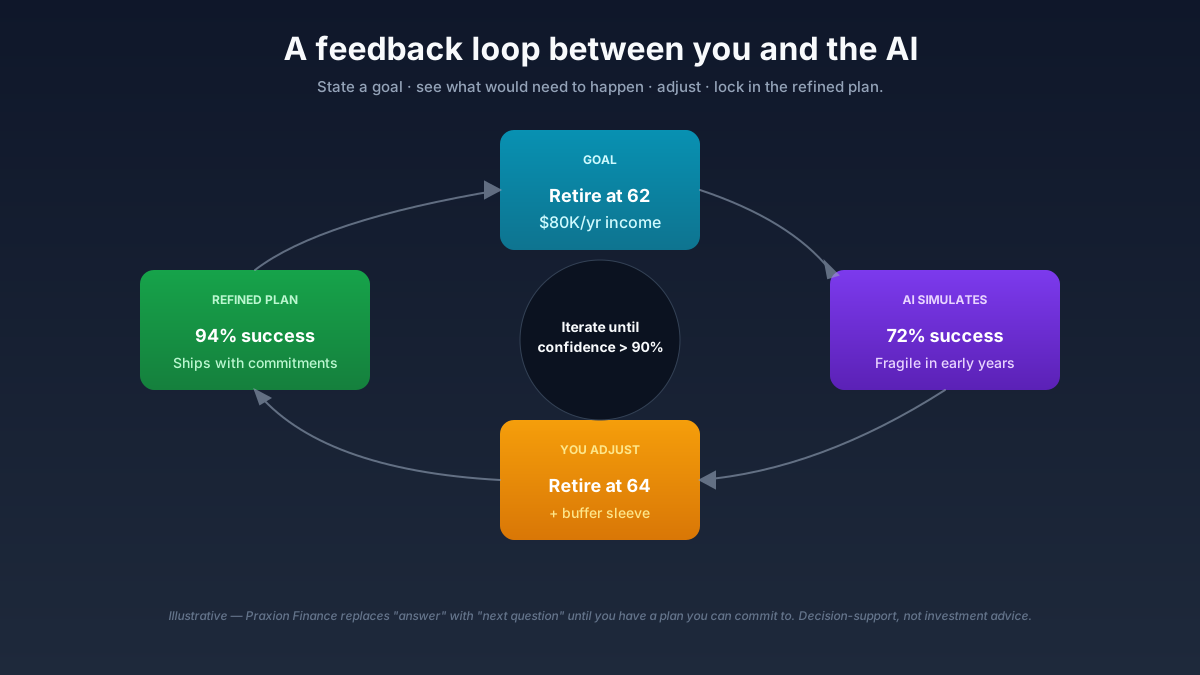
How to use AI responsibly for retirement, budgeting, investing, and tax what-if analysis — pairing automation with Monte Carlo checks, human judgment, and clear data boundaries.

Estimate your monthly Social Security benefit at 62, full retirement age, and 70. See how claiming age, benefit taxes, and break-even timing change what you keep.
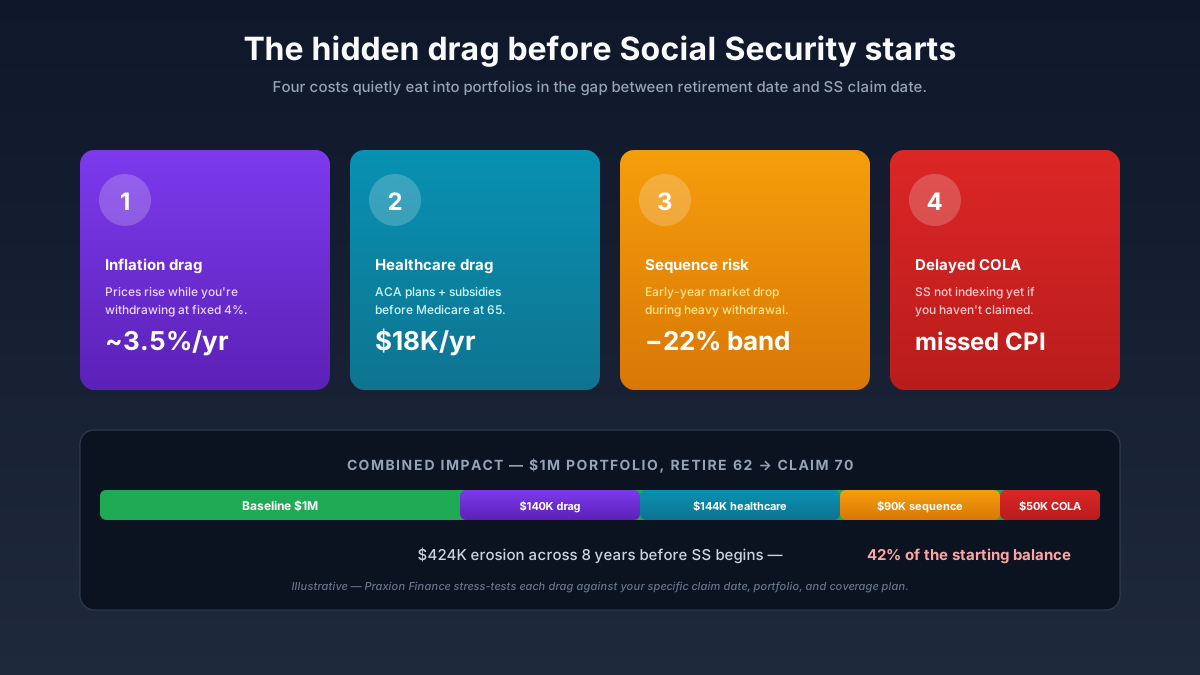
Retirement Drag unpacks the quiet forces — policy, inflation, timing — that can erode future Social Security and savings if assumptions stay static. Framework and stress-test approach.
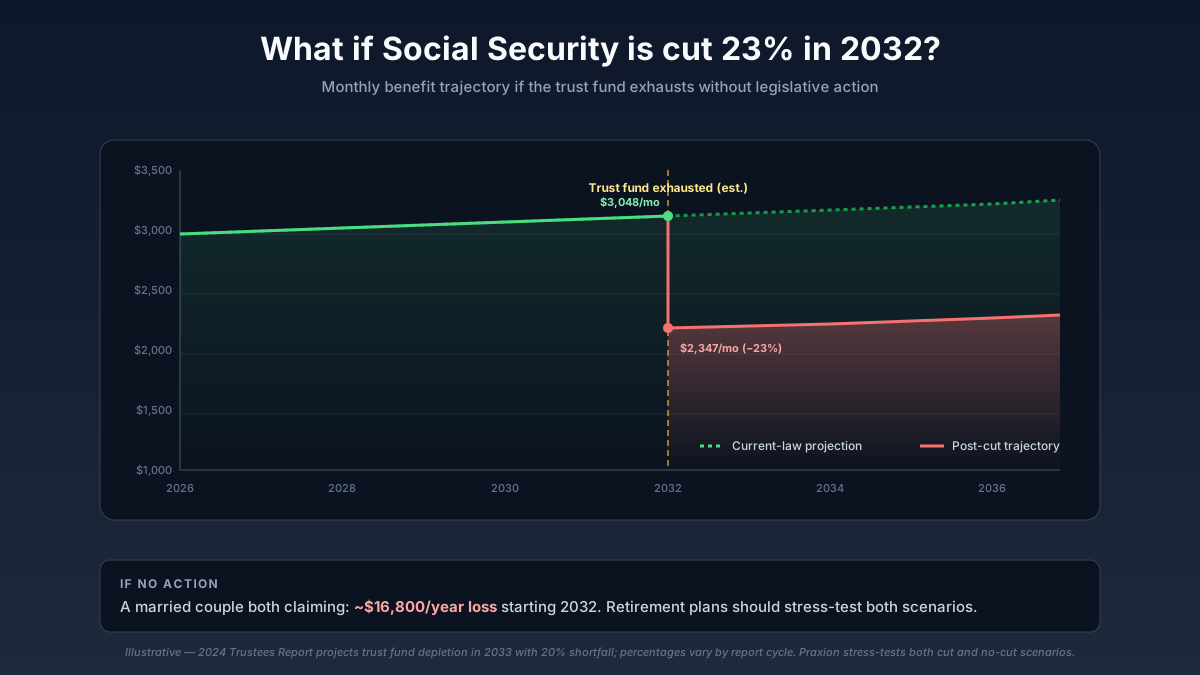
A quantitative scenario analysis of how a potential 23–25% Social Security benefit cut would impact retirement plans in real dollars and portfolio risk.
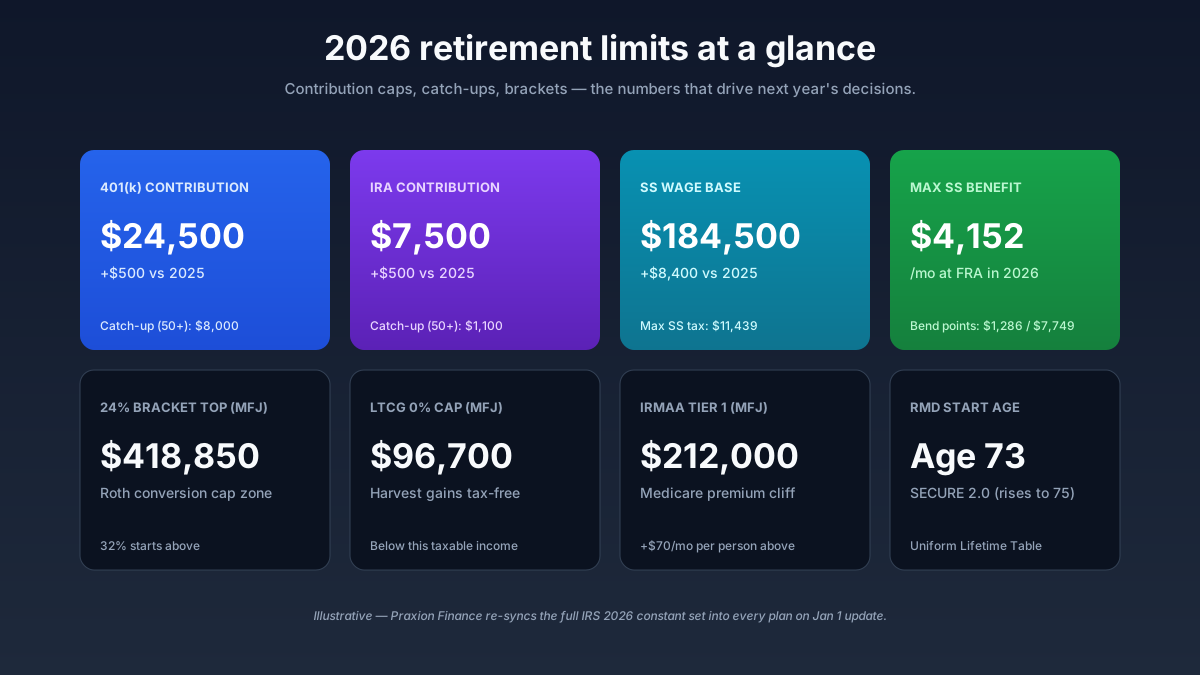
2026 IRS retirement limits: 401(k), IRA, catch-up + SECURE 2.0 Roth catch-up rules, standard deduction and bracket highlights — with planning angles for Roth and RMD timing.
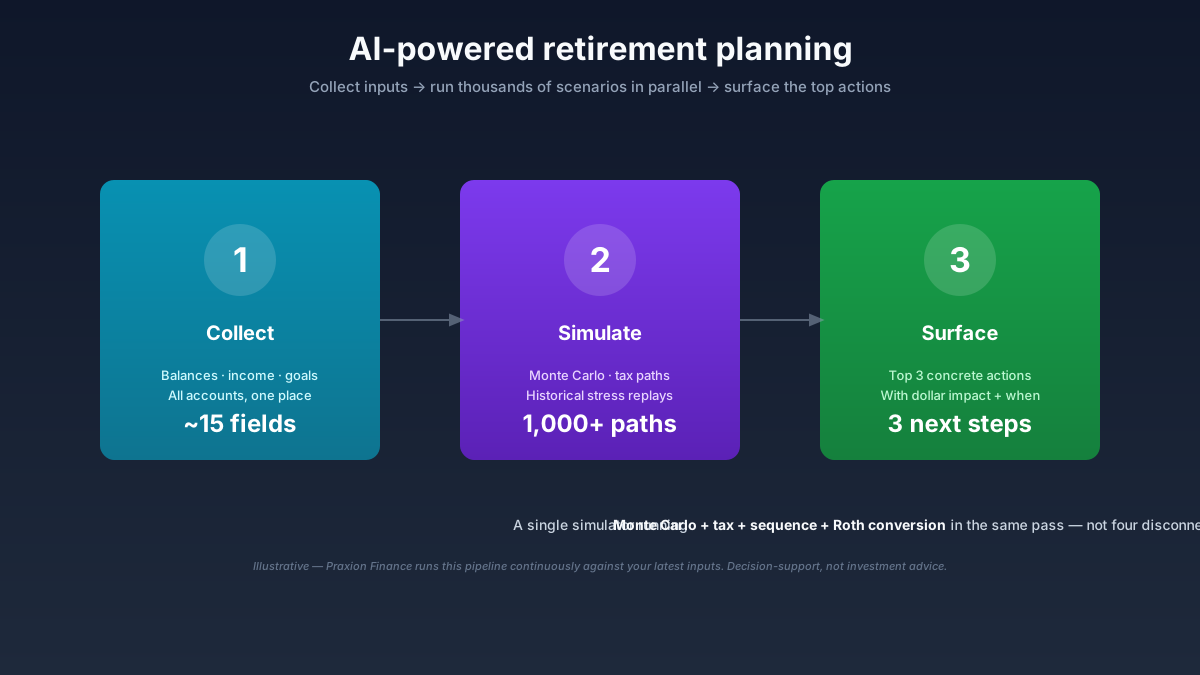
How AI plans retirement: Monte Carlo success rates, Roth conversion timing, withdrawal sequencing, and IRMAA — with real examples from Praxion's engine.
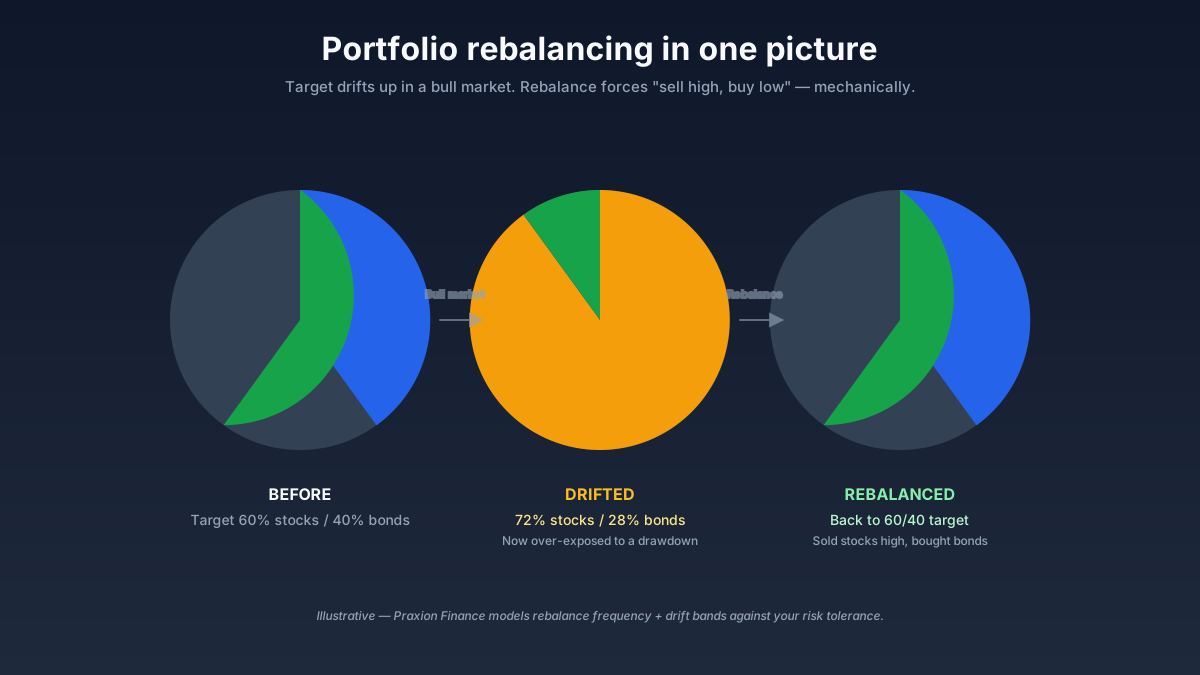
Household-level, tax-aware rebalancing across multiple accounts — with a worked $1.5M example comparing four ways to correct the same drift.
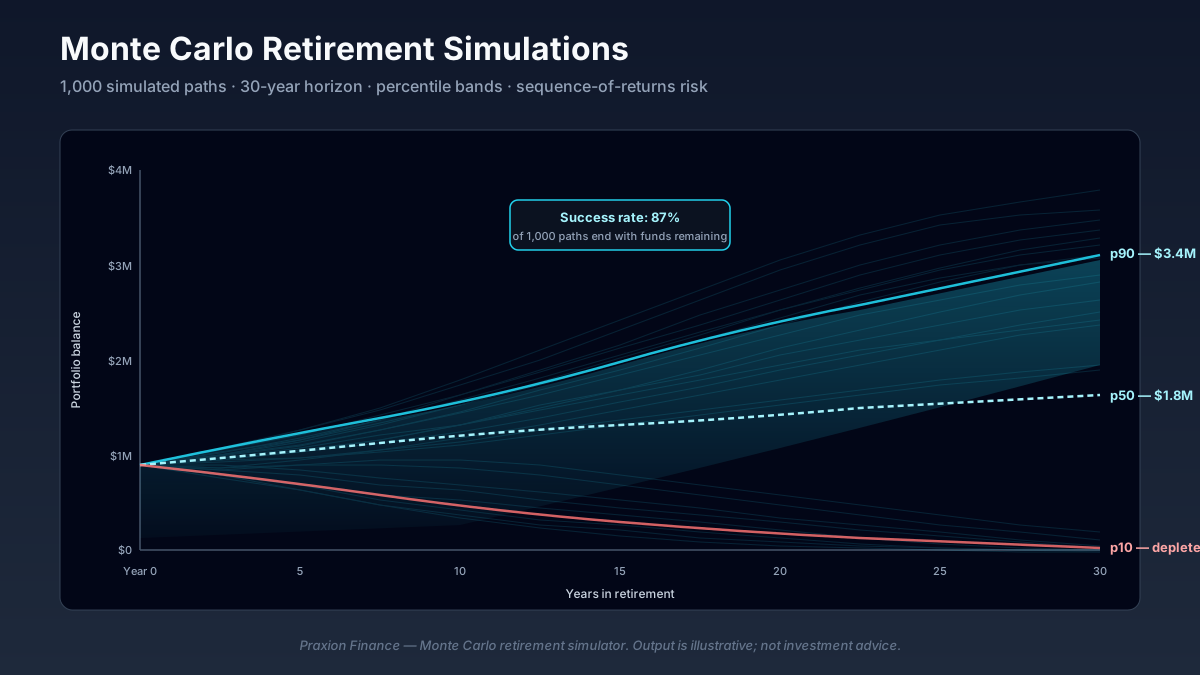
Free Monte Carlo retirement guide. Learn probability-based modeling, interpret success rates, and stress-test plans beyond average-return forecasts.
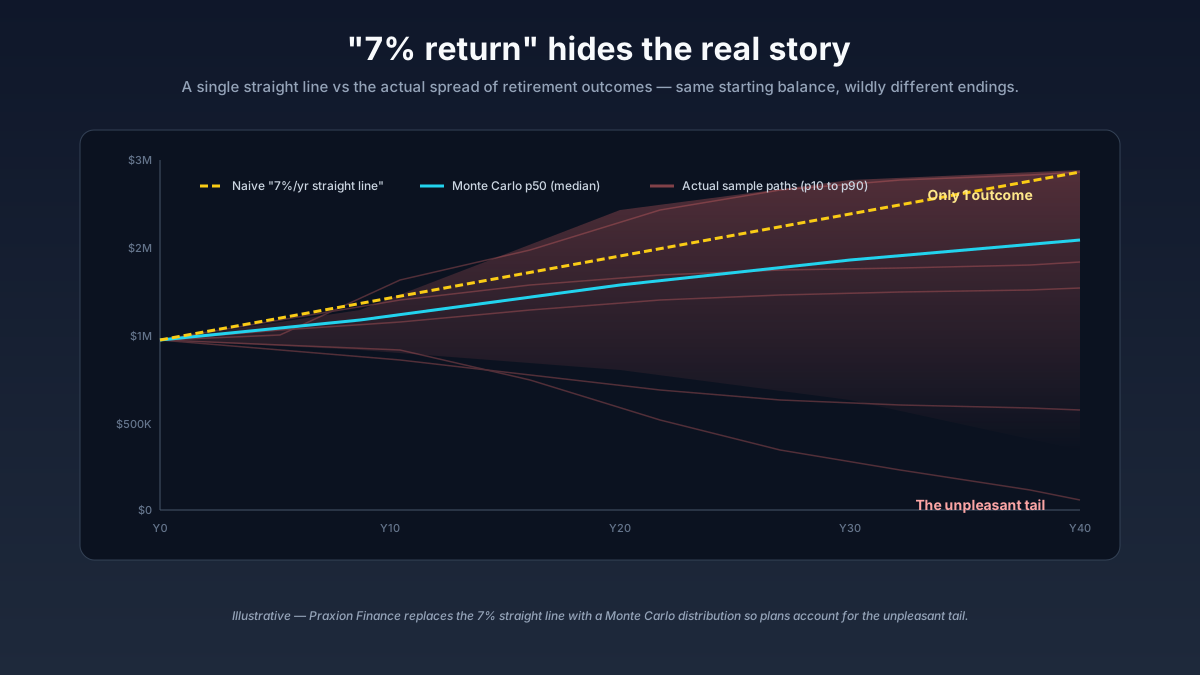
Learn about the 9 common mistakes that make financial projections unrealistic—and how our tool addresses them with CFP®-grade calculations.
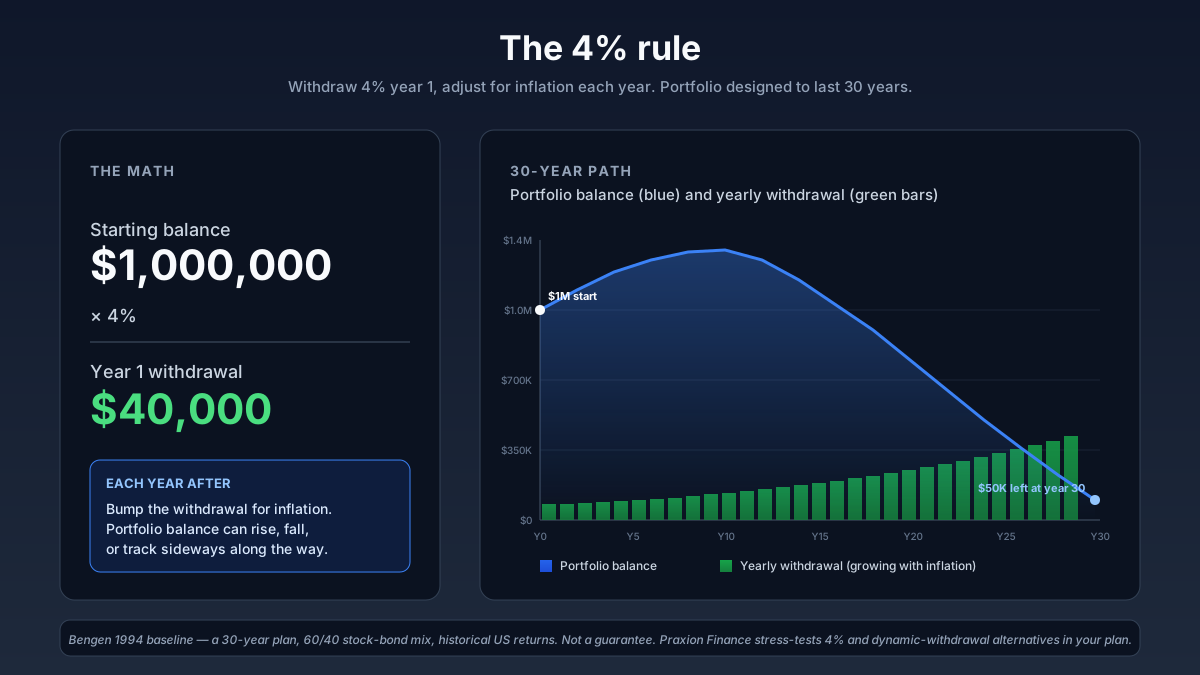
What the 4% rule is, when it works, its limitations, and how it compares to dynamic withdrawal strategies for retirement.
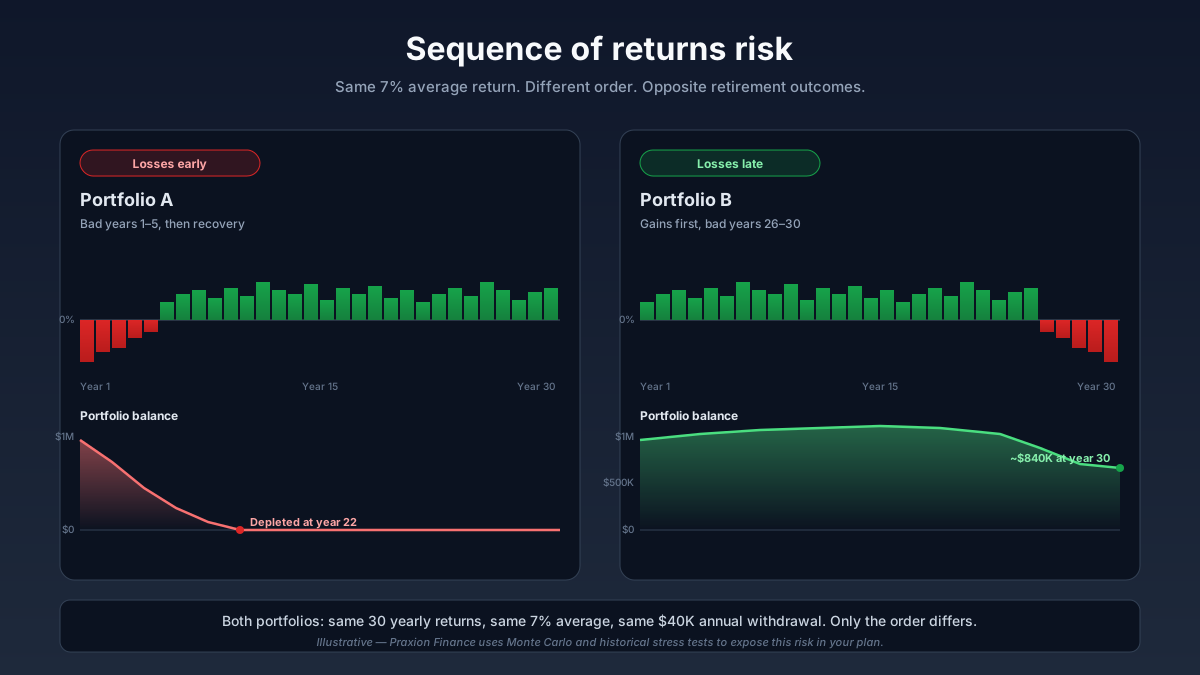
Why the timing of market returns can matter more than average returns in retirement, and how to protect your plan.